3-Year-Old Milestones: A Parent’s Checklist
The CDC's 3 year old milestones checklist: talking, play, movement and self-care, how to support your preschooler and when to check in.
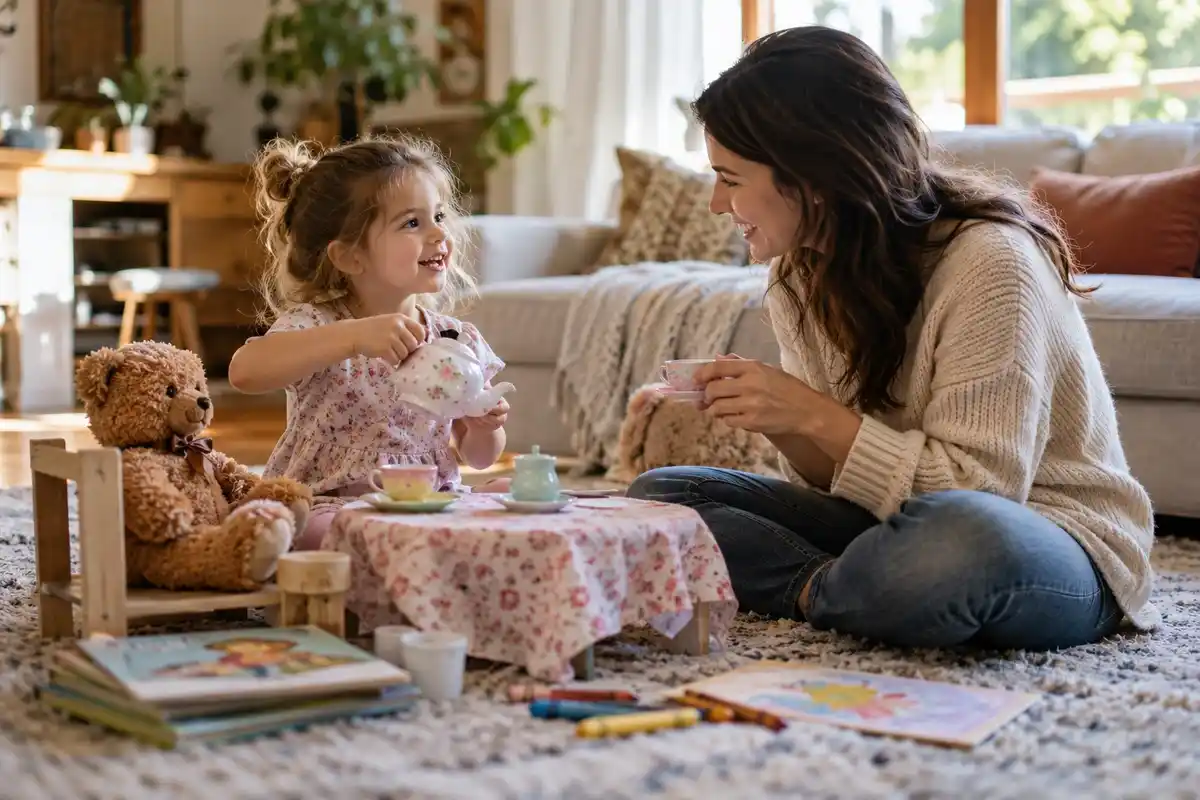
Three is the age of “why?” Your little one now chats in full sentences, plays pretend with friends and wants to put on their own jacket (backwards, and proudly). This parent’s checklist covers the 3-year-old milestones the CDC tracks, what’s typical in talking, play and behavior, simple ways to support your child and when to check in with your pediatrician.
Quick answer
According to the CDC, by age 3 most children talk with you in back-and-forth conversation, ask “who, what, where, why” questions, say their first name and talk well enough for others to understand most of the time. They also join other children to play, calm down within 10 minutes after you leave, draw a circle when shown how, use a fork, string large beads and put on some clothes by themselves.
Key takeaways
- CDC milestones describe what most children (75% or more) can do by 36 months.
- Speech becomes clear enough for strangers to understand most of the time.
- Pretend play and playing with other kids are big social leaps at this age.
- The AAP recommends developmental checks at every well visit, including at 3 years.
3-year-old milestones checklist (CDC)
Use this list of developmental milestones for 3-year-olds as a guide, not a test. Check them off as you notice them.
Social and emotional
- Calms down within 10 minutes after you leave, like at childcare drop-off.
- Notices other children and joins them to play.
Language and communication
- Talks with you in conversation using at least two back-and-forth exchanges.
- Asks “who,” “what,” “where” or “why” questions, like “Where is Daddy?”
- Says what action is happening in a picture or book when asked, like “running” or “eating.”
- Says their first name when asked.
- Talks well enough for others to understand, most of the time.
Cognitive (learning and problem-solving)
- Draws a circle when you show them how.
- Avoids touching hot objects, like a stove, when you warn them.
Movement and physical
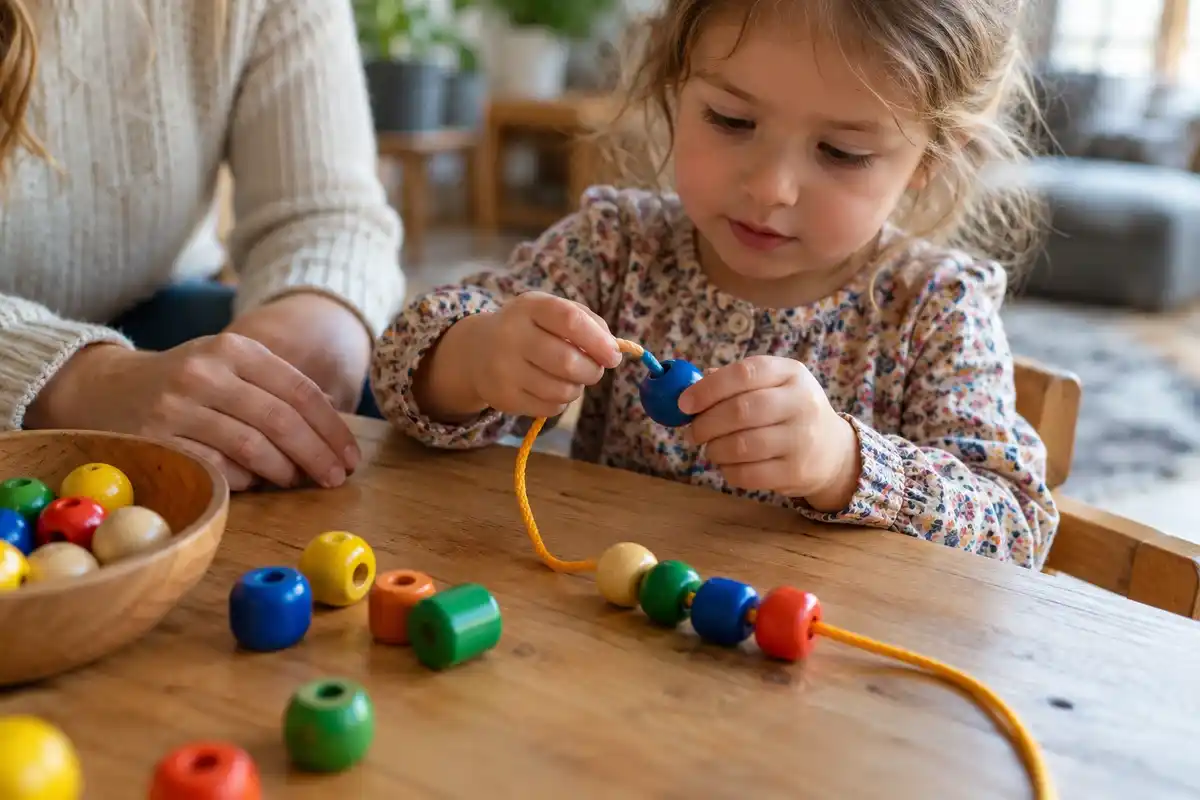
- Strings items together, like large beads or macaroni.
- Puts on some clothes by themselves, like loose pants or a jacket.
- Uses a fork.
Most 3-year-olds have also reached the 2-year-old milestones, like running, kicking a ball and putting two words together.
Talking and language at 3
Language grows fast this year. Many 3-year-olds speak in sentences of three or more words, use “I,” “me” and “you” correctly and follow two-step directions like “Get your shoes and come to the door.” They also love to tell you what happened, even if the story wanders.
- Endless questions. “Why?” is how they learn about the world, so answer simply and ask back: “What do you think?”
- Funny mistakes. “I goed outside” shows they’re learning grammar rules; just repeat it correctly.
- Clearer speech. Strangers should understand most of what they say, though some sounds (like “r” or “th”) take years.
Play, friends and feelings
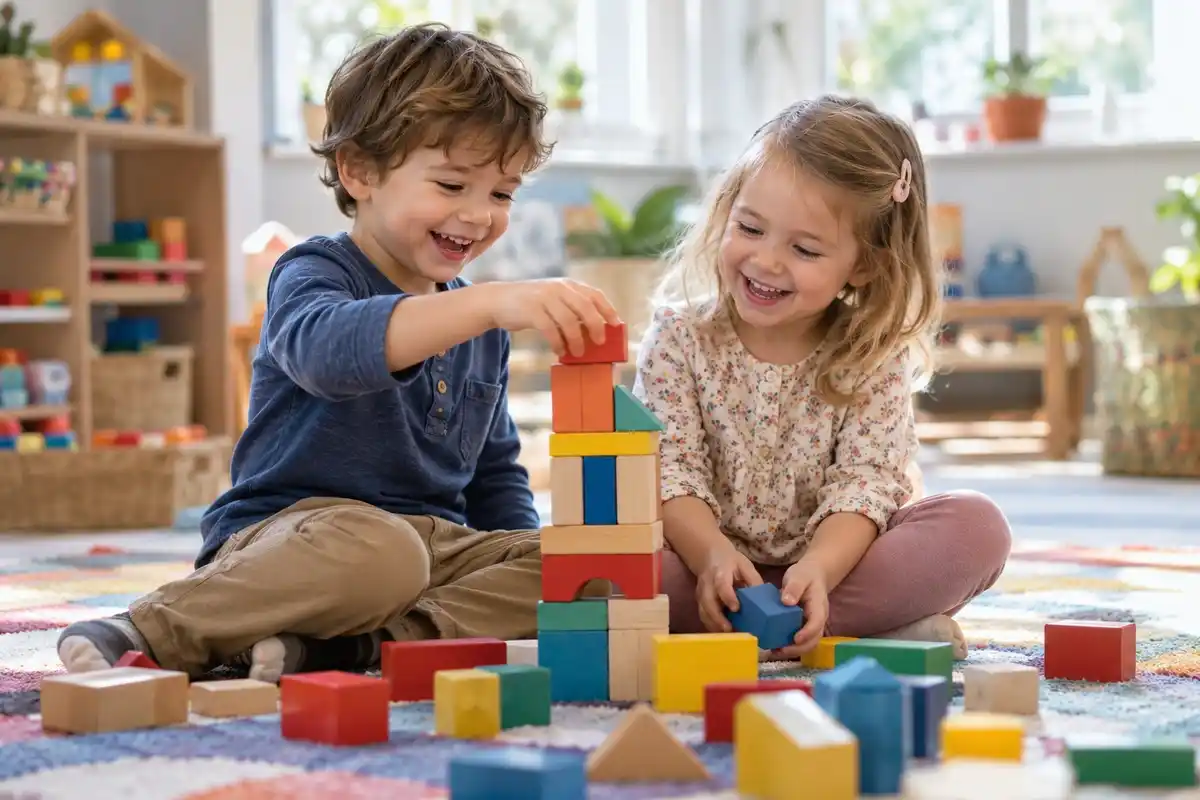
Three-year-olds move from playing next to other children to playing with them. Pretend play explodes: tea parties, doctor’s office, superheroes. They may take turns in simple games, although sharing is still hard.
Emotionally, they begin to name feelings (“I’m sad”) and show concern for a crying friend. Even so, big emotions still spill over. Fears, like of the dark or of loud dogs, are common and usually pass. Calm routines, warnings before transitions (“Five more minutes, then bath”) and simple choices help a lot.
Their “why” questions are pure gold. Childhood Milestones lets you save your preschooler’s funniest questions and stories as voice notes, with the date.
Movement and self-care
Beyond the checklist, most 3-year-olds also:
- Climb well on playground ladders and stairs, often alternating feet.
- Pedal a tricycle or balance bike with practice.
- Jump with both feet and run around obstacles.
- Turn pages one at a time and twist lids open.
- Wash and dry hands with a little help.
- Work on potty training. Many are daytime trained around now, but timing varies widely, and nighttime dryness often comes later.
How to support your 3-year-old’s development
- Read together every day and ask “What happens next?”
- Play pretend and let them lead the story.
- Give real responsibilities, like setting napkins on the table or feeding the pet.
- Arrange playdates or preschool time to practice taking turns.
- Offer art supplies: crayons, safety scissors, playdough. Find more ideas in activities for kids by age.
- Protect sleep. The American Academy of Sleep Medicine recommends 10 to 13 hours in 24 hours, including naps, for children 3 to 5.
- Keep screens limited. The AAP suggests no more than 1 hour a day of high-quality programming for ages 2 to 5, ideally watched together.
When to talk to your pediatrician
Children develop at their own pace, but the CDC encourages parents to act early. Talk to your child’s doctor if, around age 3, your child:
- Doesn’t speak in sentences or is very hard to understand.
- Doesn’t play pretend or show interest in other children.
- Doesn’t follow simple instructions.
- Falls a lot or has trouble with stairs.
- Loses skills they used to have.
You can also ask your local public school district about a free evaluation; at 3, services usually move from early intervention to the school system.
This guide is for general information and doesn’t replace advice from your pediatrician.
Capture age three before it changes
Three-year-old logic is unforgettable: the bedtime negotiations, the imaginary friend, the way they say “ambulance.” Write down five questions they ask this month, record them telling a story, and interview them on their third birthday with the same questions you’ll ask next year. For a full record of the early years, see our baby book guide.
Age three, remembered
Save their firsts and their best stories
Childhood Milestones saves your child’s firsts, suggests activities for their age and keeps voice notes, videos and photos on a private family timeline.
Sources
This guide summarizes public guidance from the CDC and the American Academy of Pediatrics (AAP). The milestone lists come from these sources; the activity and memory ideas are our own suggestions. This article has not been reviewed by a clinician and doesn’t replace your pediatrician’s advice. Last reviewed: November 1, 2026.
Frequently asked questions
What should a 3-year-old be able to do?
Most 3-year-olds hold back-and-forth conversations, ask “why” questions, say their name, play with other children, draw a circle when shown, use a fork, string large beads and put on some clothes on their own.
How many words should a 3-year-old say?
There’s no exact number, but most 3-year-olds speak in sentences of three or more words and are understood by others most of the time.
Should a 3-year-old be potty trained?
Many children are daytime trained between 2 and 3 years, but the range is wide. Nighttime dryness often comes later. Follow your child’s readiness signs.
How much should a 3-year-old sleep?
The American Academy of Sleep Medicine recommends 10 to 13 hours in 24 hours, including naps, for children 3 to 5 years old.

4-Year-Old Milestones: Development & Memory Ideas
The CDC's 4 year old milestones, how preschoolers develop, activities that help and memory ideas for age four.

When Do Babies Walk? First Steps Guide
When babies walk, the stages before first steps, how to help, why to skip walkers and when to talk to your pediatrician.

18-Month Milestones: What to Expect and What to Record
The CDC's 18 month milestones, words and behavior, the 18-month checkup and what to record at a year and a half.
Eighteen years go faster than you think. Start saving their story today.
Discover meaningful things to do together, capture the milestones that matter and keep photos, stories and voice memories on one beautiful timeline — from birth to 18.